

شخصيات ساوث بارك: ما الذي يجعل صورة كرتونية قابلة للتعرف؟
اكتشف ما يجعل صور شخصيات ساوث بارك قابلة للتعرف، مع 12 ملفاً مصوراً وإرشادات عملية لتخطيط صورة رمزية كرتونية أصلية.
الجديد في هذه الصفحة
- — نُشر المقال.
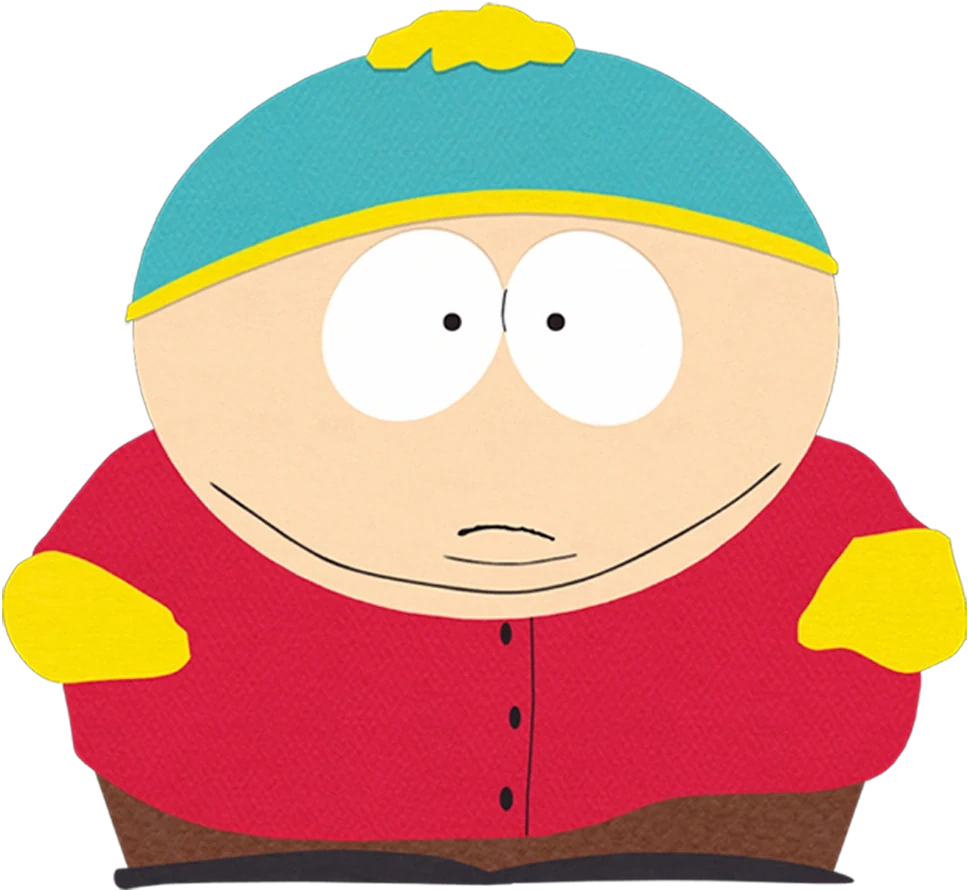
A recognizable cartoon portrait does not depend on realistic facial detail. South Park characters share simple eyes and compact features, yet viewers can identify them through headwear, hair, clothing, and proportions. That makes the cast a useful reference for anyone deciding what to preserve when turning a person or an idea into an original cartoon avatar. For a cartoon portrait of your own, try South Park Character Creator.
This illustrated guide draws on the South Park Public Library. It studies visible design features, not a tested photo-conversion process.
Look beyond the face
If you cover the names beneath the pictures, the strongest clues often sit outside the eyes and mouth. A hat changes the head's outline. Hair defines the edge around a face. A coat supplies a large color area. Those elements can carry identity when a small circular avatar crop leaves very little room for detail.
Stan Marsh
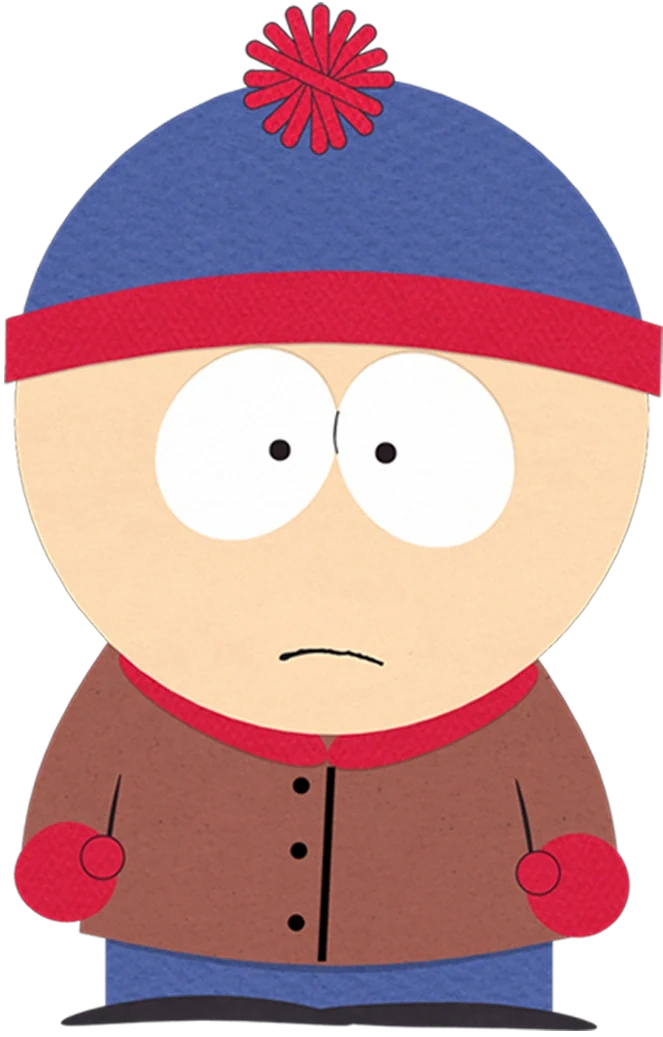
Stan's blue cap includes a red band and pom-pom, above a brown jacket. If you crop for a profile image, keep the top of the hat in view. An otherwise clean face crop can become less recognizable when it removes the most distinctive feature from the portrait.
Kyle Broflovski
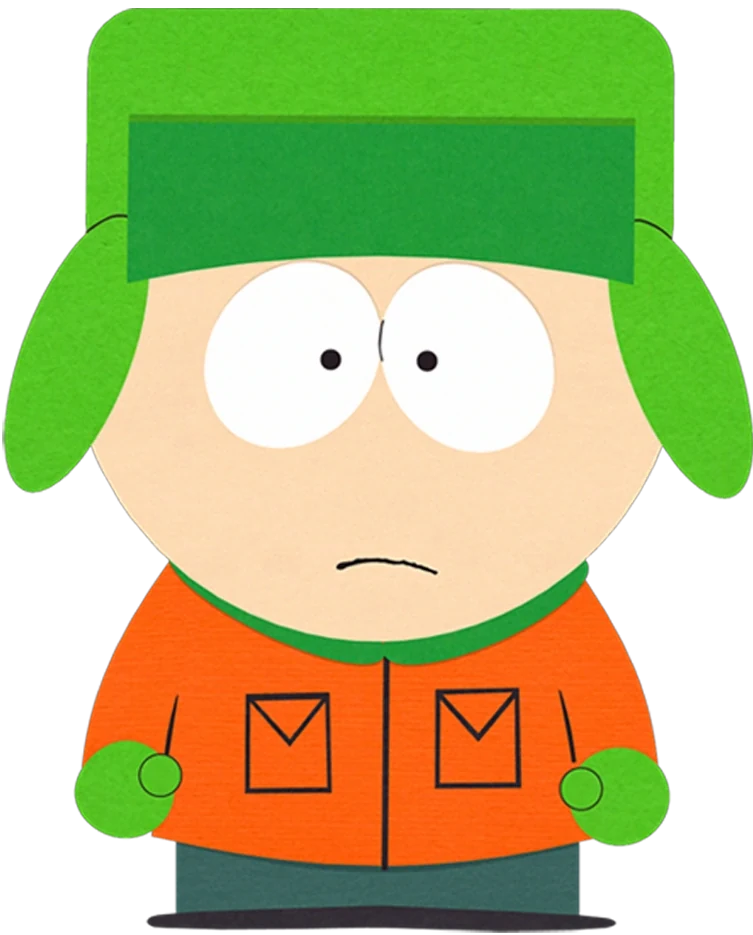
Kyle's green earflap hat extends beside the face, and the orange coat creates a strong lower contrast. A circular crop may cut off the flaps. Leave additional room on both sides rather than enlarging the eyes, so the avatar retains the outline that helps distinguish Kyle from Stan.
Kenny McCormick
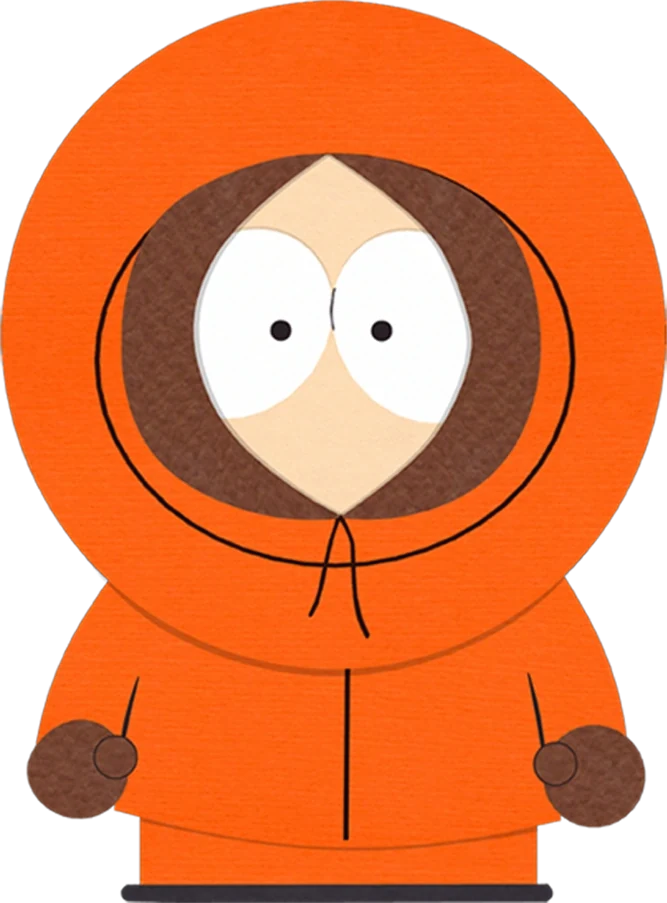
Kenny's face occupies the dark opening inside an orange hood. The hood is part of the portrait's identity, not an expendable border. A useful crop includes its complete shape and some lower fabric, avoiding a close-up that leaves only eyes and loses the context around them.
Eric Cartman
Cartman's turquoise cap has yellow trim, while the broad red jacket and yellow mittens provide additional cues. A face-only portrait cannot show his complete body proportions. If your aim is a character identification card, use a larger crop than you would for a small profile icon.
Hair creates a frame around the person
Butters Stotch
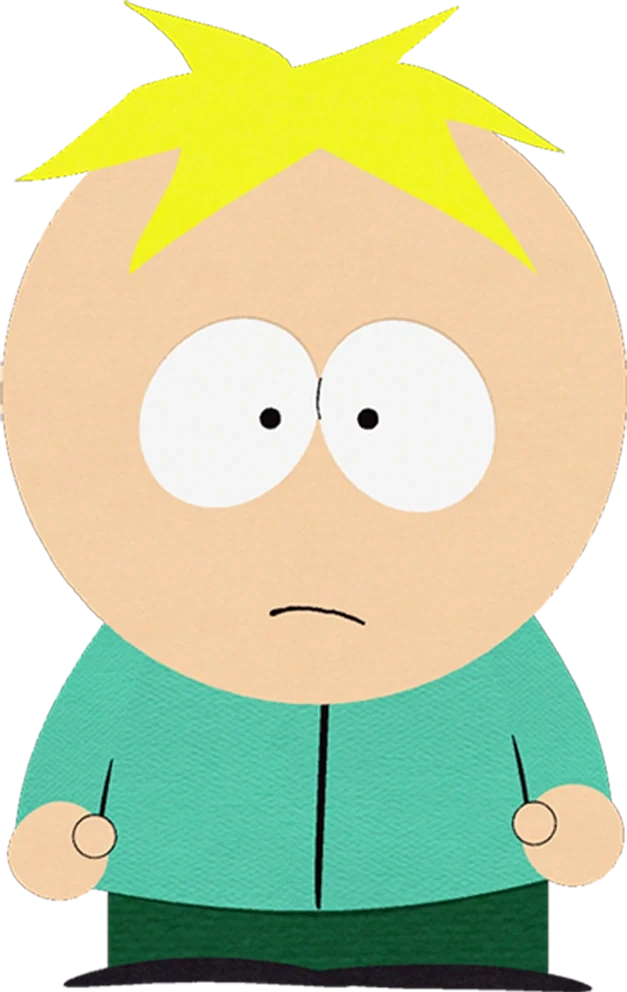
Butters' compact blond hair tuft leaves the head largely exposed. The turquoise shirt provides a gentle color distinction below. His portrait shows why “blond hair” is not a sufficiently precise avatar instruction: the length, volume, and direction are what define the outline around the face.
Tweek Tweak
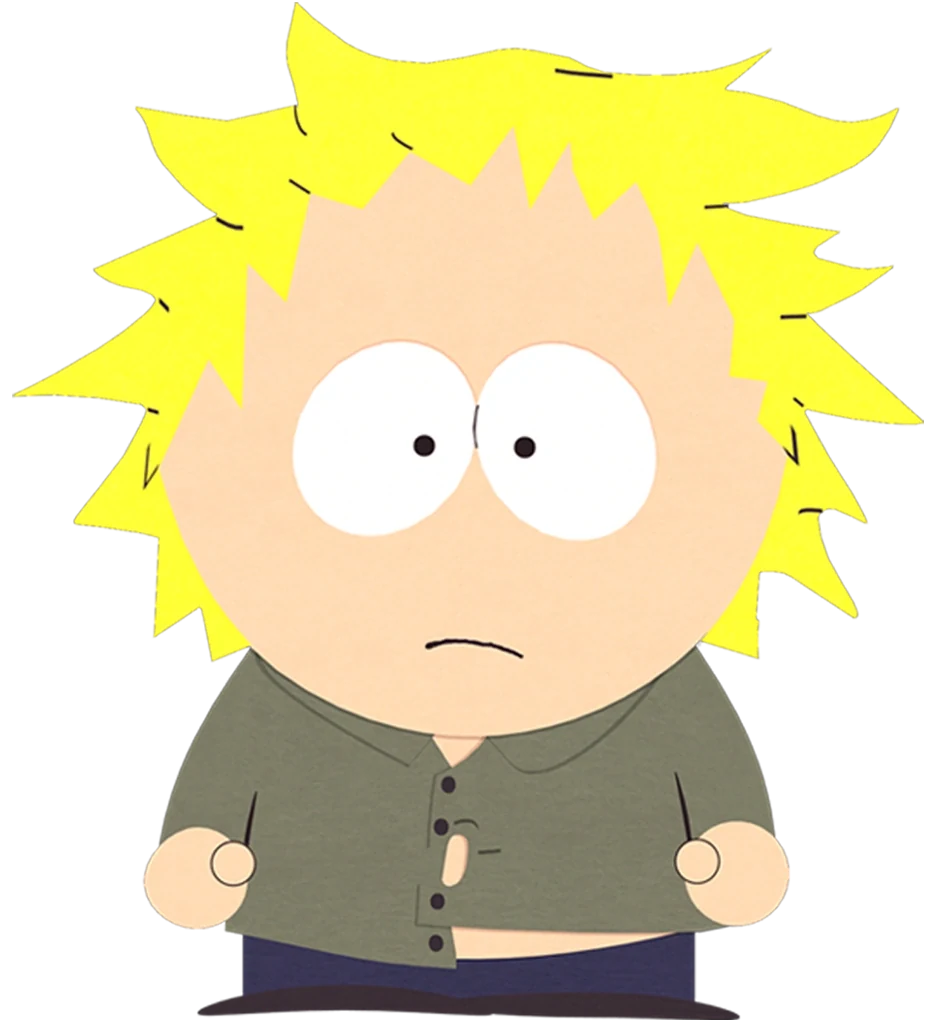
Tweek also has blond hair, but the points spread outward in a much more irregular shape. His olive shirt is visibly different from Butters' top. Comparing the two is a useful exercise in describing a hairstyle without relying on broad color terms or an assumed personality.
Wendy Testaburger
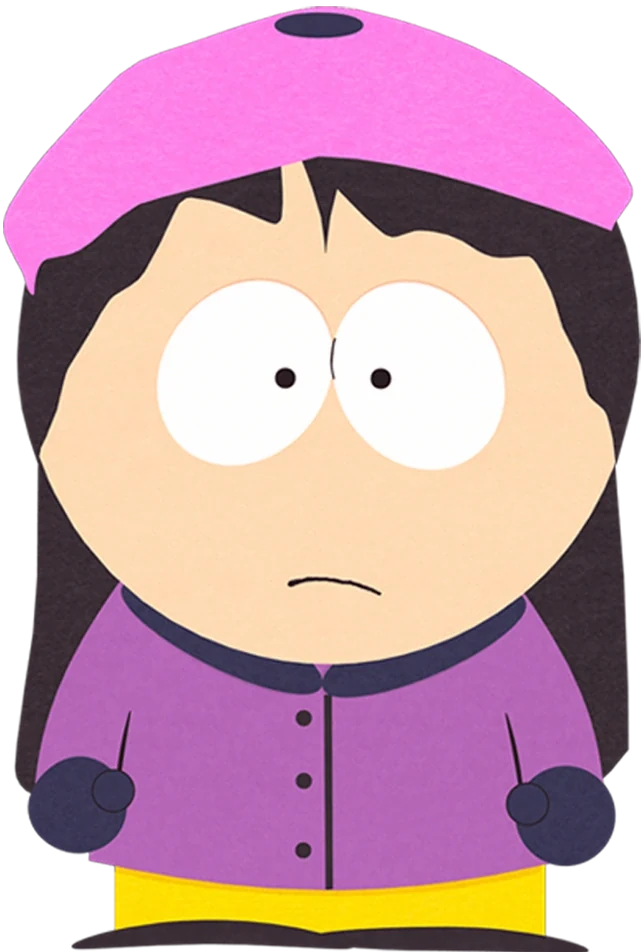
Wendy's dark hair extends down beside the purple jacket, while the pink beret adds a soft upper shape. A portrait brief should distinguish the hair length from the hat. Preserving only the beret color would not capture the complete arrangement that makes this particular reference recognizable.
Bebe Stevens
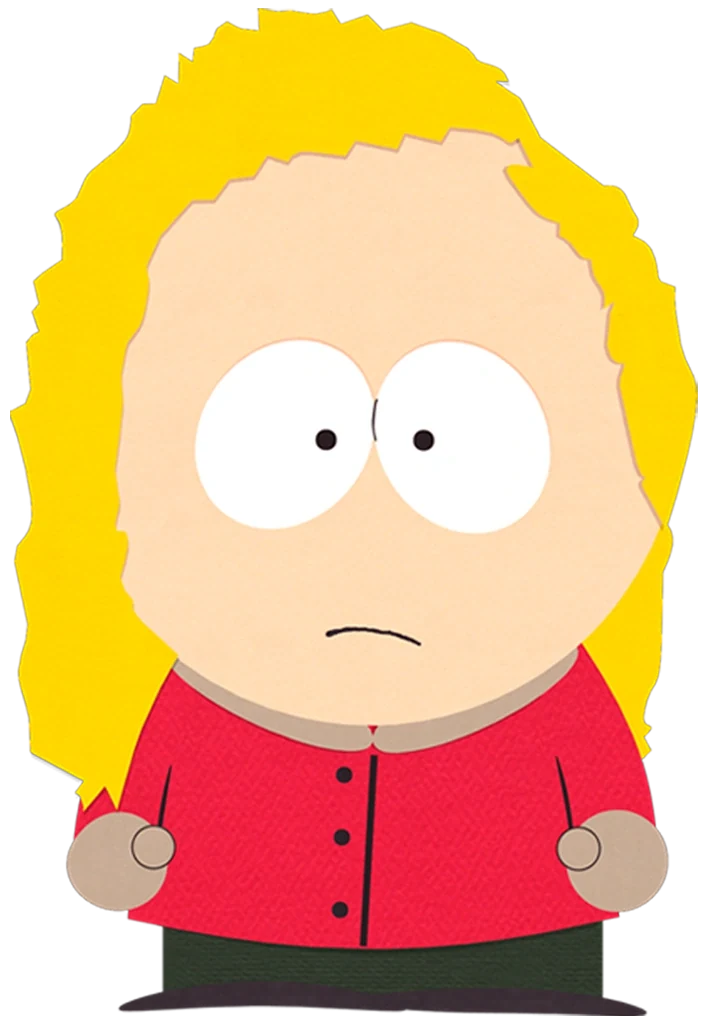
Bebe's blond hair forms a fuller border around the head and shoulders. The red top remains a strong color area beneath it. If a crop hides the hair's outer edges, the portrait loses useful information. Keep enough space to show how the hair frames the face, especially in a comparison.
Proportion also carries identity
Ike Broflovski
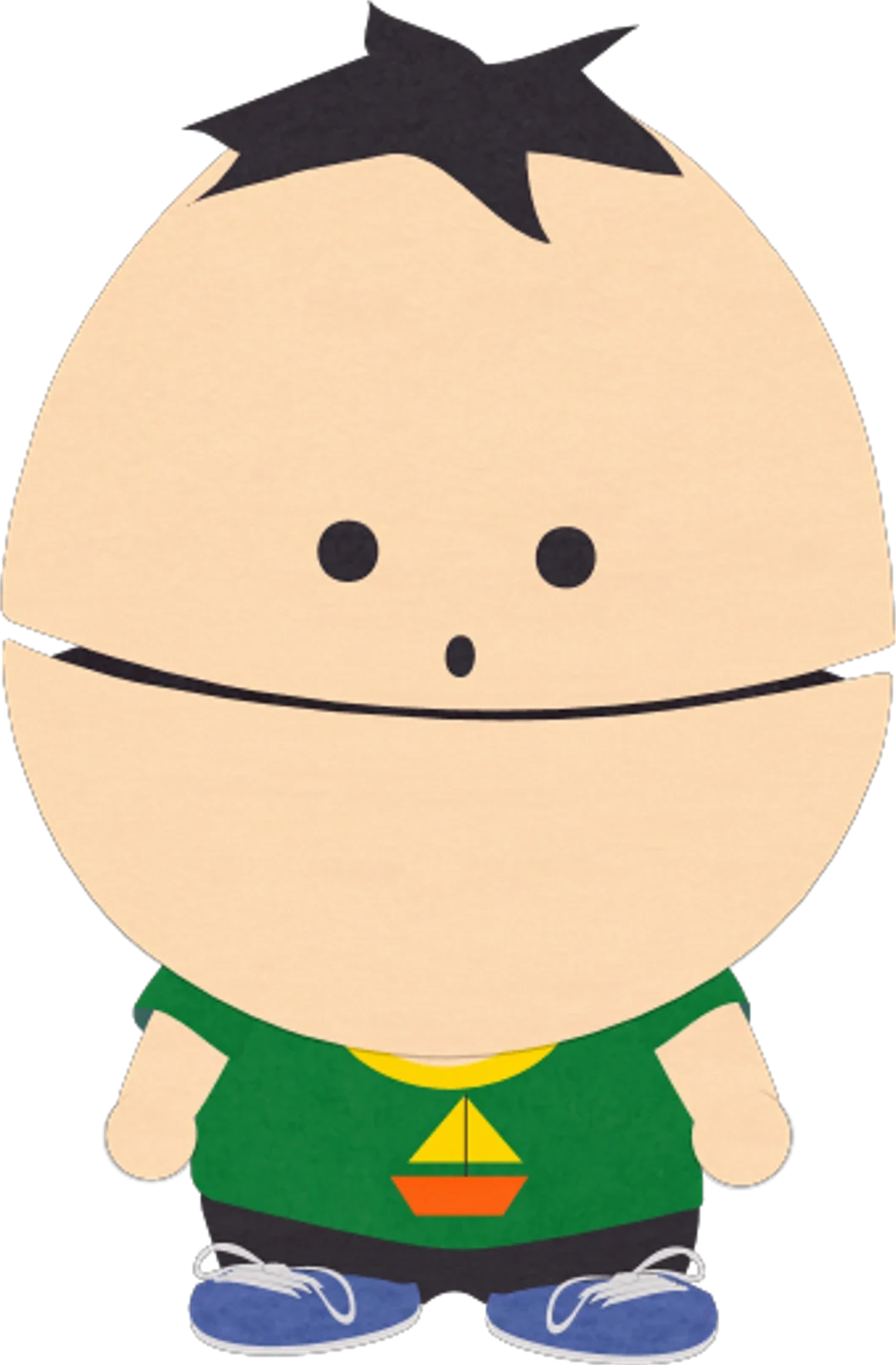
Ike's head is large relative to his small body, with a separated mouth line and a dark hair tuft. Those structural choices distinguish him from the older children. They also show why a portrait transformation needs more than a costume change: different proportions can alter the whole visual identity.
Craig Tucker
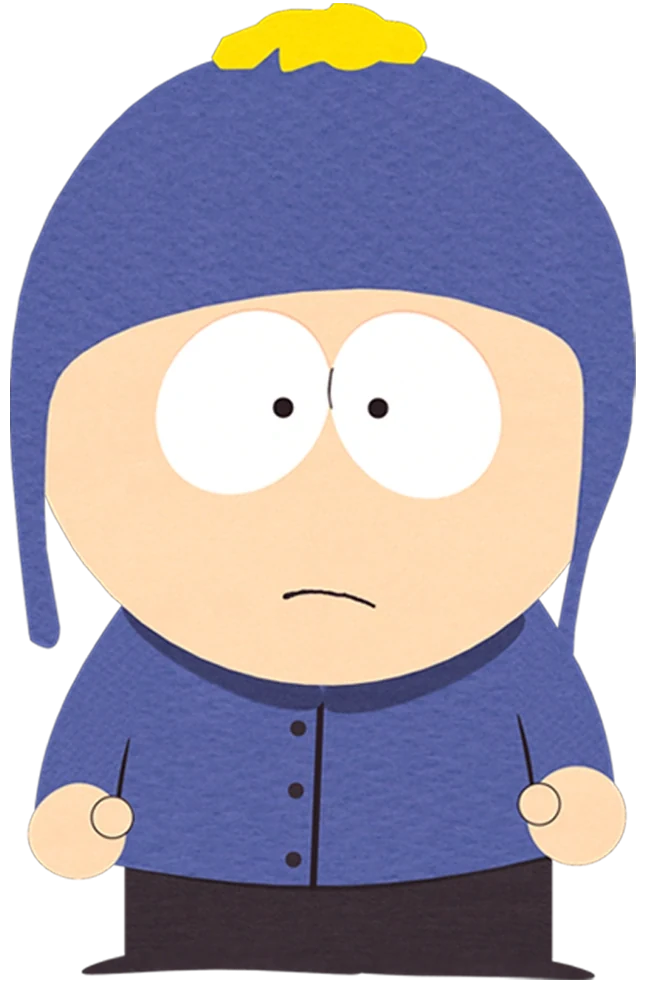
Craig's blue earflap cap and coat create a closely connected palette. The yellow pom-pom breaks that large blue area. An avatar crop should retain the hat shape, because the face alone gives fewer clues. Compare him with Kyle to see how similar accessories need color and clothing context.
Tolkien Black
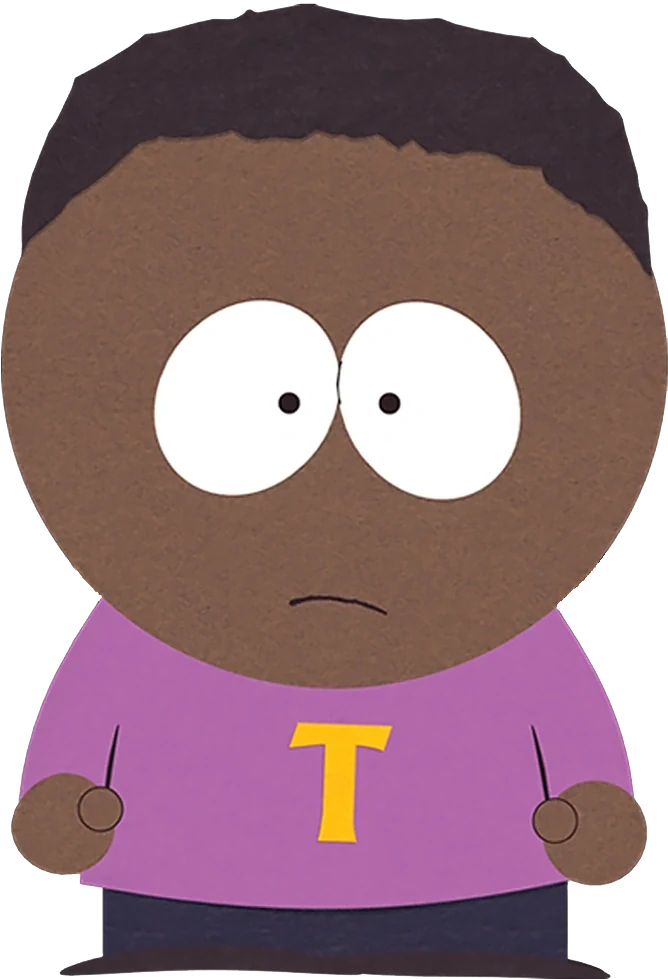
Tolkien has a broad dark hair shape and a purple shirt with a yellow T. A head-only icon loses the letter and most of the shirt, so the hairstyle becomes more important. Choose your framing based on the information you need to communicate rather than a universal portrait template.
Herbert Garrison
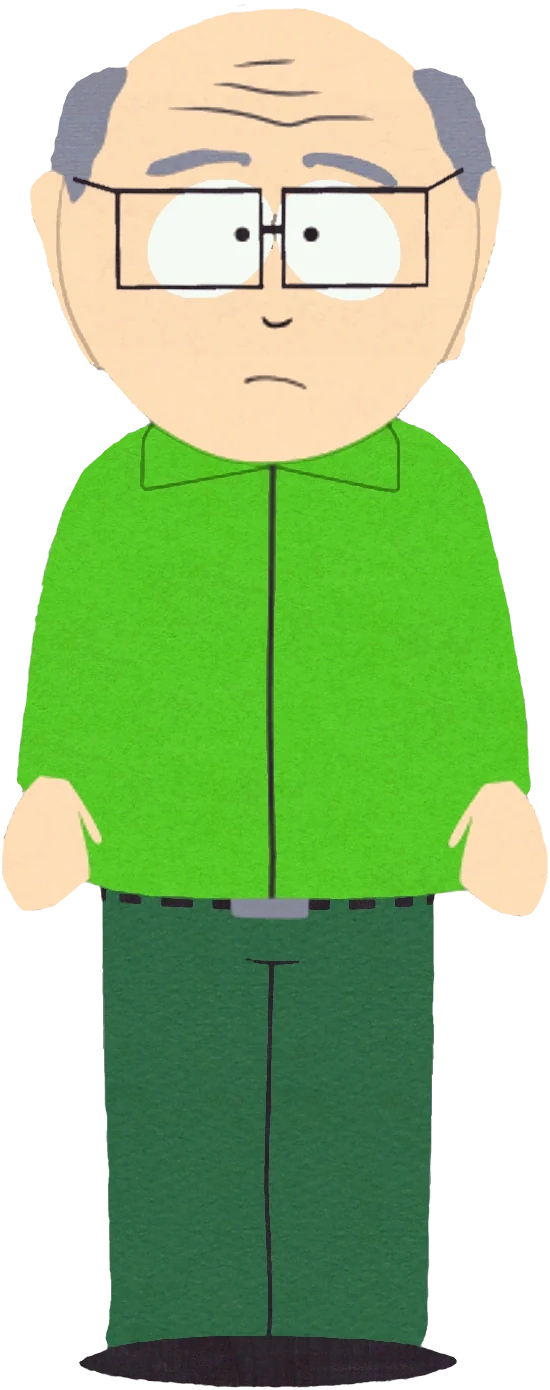
Garrison is shown with glasses, a balding head, green shirt, and dark trousers. The adult proportions are taller than the children's. His glasses are useful face-level information, while the full body explains the scale. Keep those two uses distinct when selecting a portrait or a complete character reference.
Plan an original avatar around meaningful details
If you are using a South Park character creator for a new avatar, pick three features that matter to the person or idea. A favorite knit hat, a recognizable hairstyle, and a coat color may be enough. Then describe the drawing language: flat shapes, simplified features, and a clear front or three-quarter view.
For example, an original cartoon portrait could use short dark curls, round orange glasses, and a navy jacket. The glasses give a face-level anchor, while the jacket supports recognition in a wider crop. This is a suggested brief, not an example of a verified photo-conversion result. Review any output for what it actually preserves.
A South Park character maker prompt becomes less helpful when it asks for every personal detail at once. Decide whether resemblance, a playful silhouette, or a particular outfit matters most. Evaluate that priority first. If the image preserves the glasses but changes the hairstyle, correct the hair specifically instead of adding a paragraph of new style words.
You can begin an original visual idea from the homepage, and find other portrait discussions in the blog. Keep the source photo, reference art, and generated result clearly labeled in your own records so you can tell which decisions came from each. Choose a distinctive head shape and one recognizable accessory when you try South Park Character Creator.
Choose what resemblance means
For an original avatar based on a person, decide which features you want someone to recognize. A hairstyle and glasses may matter more than the exact jacket; for another person, a familiar hat and beard shape may be the stronger clues. That choice should guide the brief, because simplifying a face means some information will necessarily become less detailed.
Keep the avatar's purpose in view. A playful profile image can emphasize a distinctive accessory, while a full character illustration has room for posture and clothing. If a portrait looks unfamiliar, compare the selected identity cues before changing the entire style. Does the hair have the intended length? Are the glasses the right shape? Is the important hat still visible in the crop? Answering those questions gives you a concrete revision path. Adding more personal details without deciding their importance can make the image busier without making it more recognizable.
Do not confuse a familiar portrait with an episode appearance
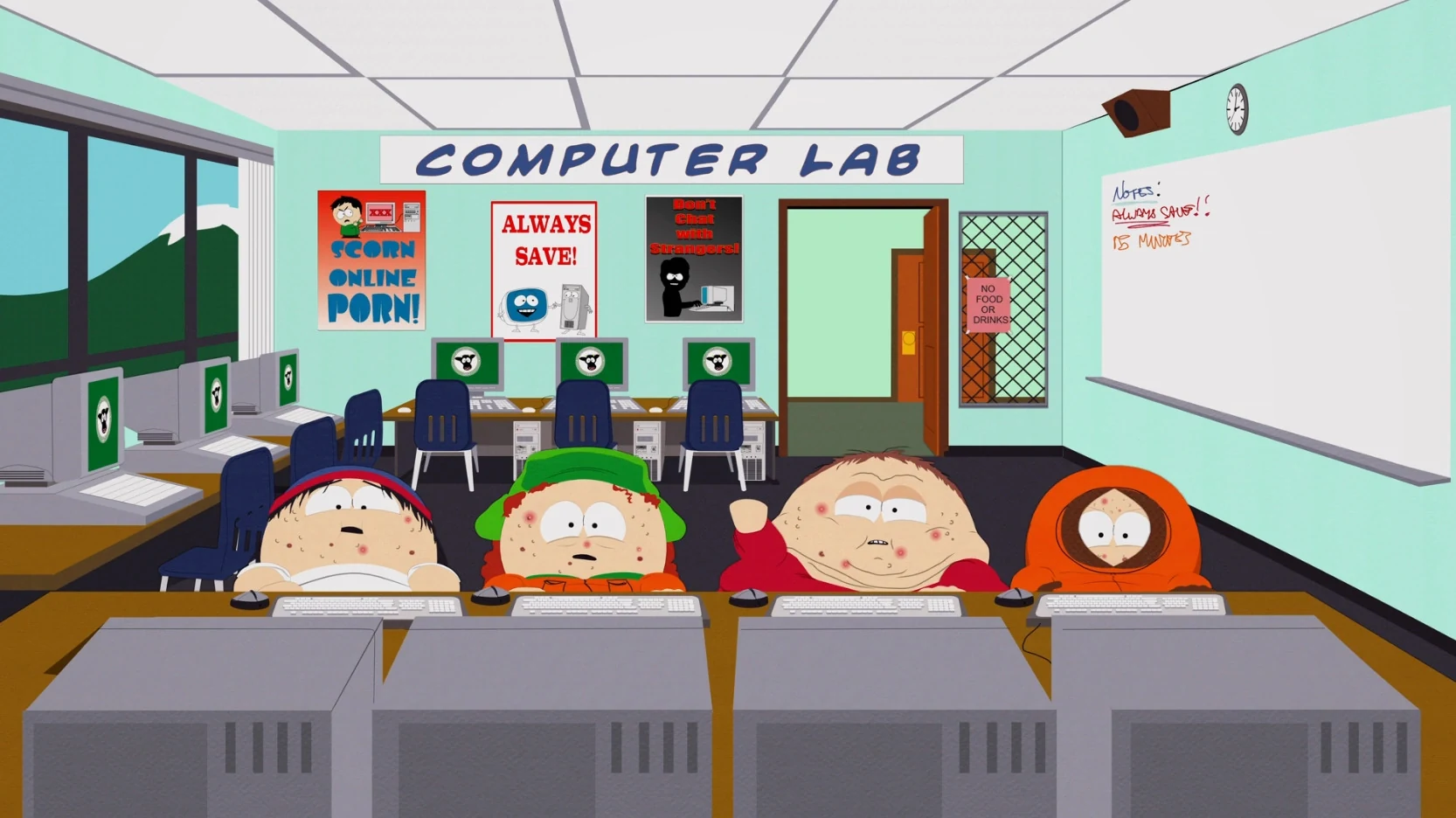
South Park World of Warcraft searches concern Make Love, Not Warcraft, where Cartman, Stan, Kyle, and Kenny try to defeat a powerful player who repeatedly kills their game characters. Cartman's plan to build up their strength turns gaming into an obsessive group effort.
The computer-lab frame is useful for recognizing the cast through changed appearances. Hats and clothing still identify several boys: Kyle's green hat, Stan's blue-and-red cap, and Kenny's orange hood remain visible. Cartman has no cap here, so his red jacket and broad shape carry more of the recognition work.
لدراسة بورتريه بمنشئ ساوث بارك، ميّز بين الشخص ونسخة الصورة. يوفّر بورتريه كارتمان القياسي في ساوث بارك مجموعة واحدة من الإشارات البصرية؛ وقد يغيّر إطار الحلقة بعضها مع الحفاظ على ما يكفي لتحديد الشخصية. لتطوير بورتريه كرتوني خاص بك، جرّب منشئ شخصيات ساوث بارك.